Image
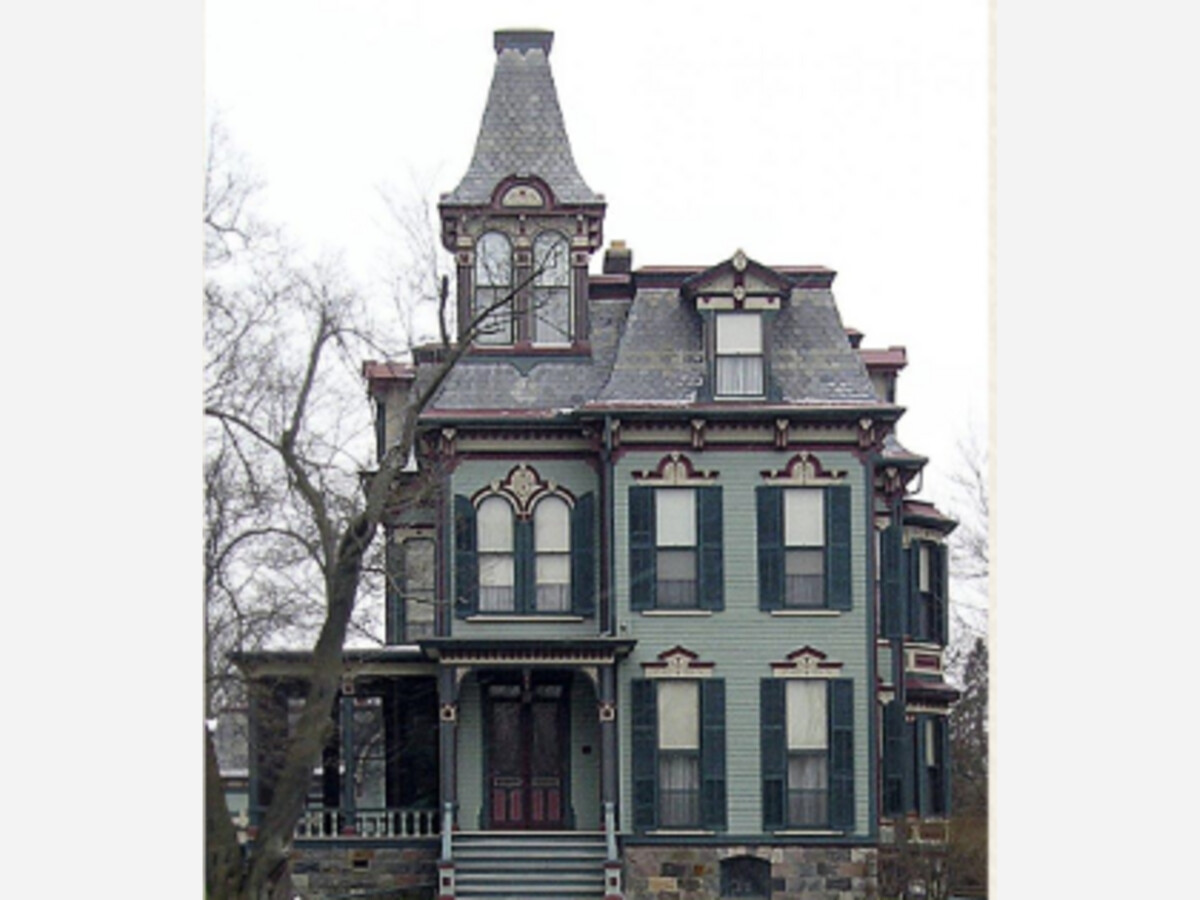



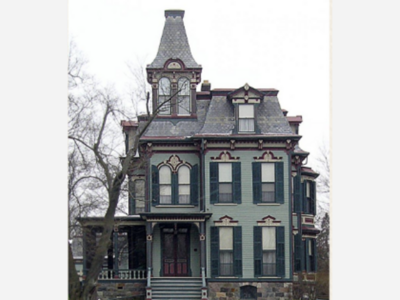
In a city shaped by railroads, industry, and generations of civic pride, few buildings capture Saline’s story as fully as the Davenport-Curtiss House. Rising behind mature trees along East Michigan Avenue, the 19th century mansion has long served as both a visual landmark and a reminder of the people who helped transform Saline from a rural village into a thriving community.
Built in 1875, the house was commissioned by William H. Davenport, one of Saline’s most prominent early businessmen. Davenport’s influence extended beyond commerce. He played a role in bringing the railroad to town, helped establish local banking institutions, and was deeply involved in civic life during a period when Saline was rapidly expanding. His home was designed not simply as a private residence, but as a statement of stability, ambition, and confidence in the city’s future.
Architecturally, the Davenport-Curtiss House is one of the finest local examples of the Second Empire style, a design popular in post-Civil War America. The home’s distinctive mansard roof, decorative dormers, and corner tower set it apart from surrounding residences. Tall windows, ornate brackets, and symmetrical lines reflect a national architectural trend while grounding the structure firmly in Saline’s Victorian-era streetscape.
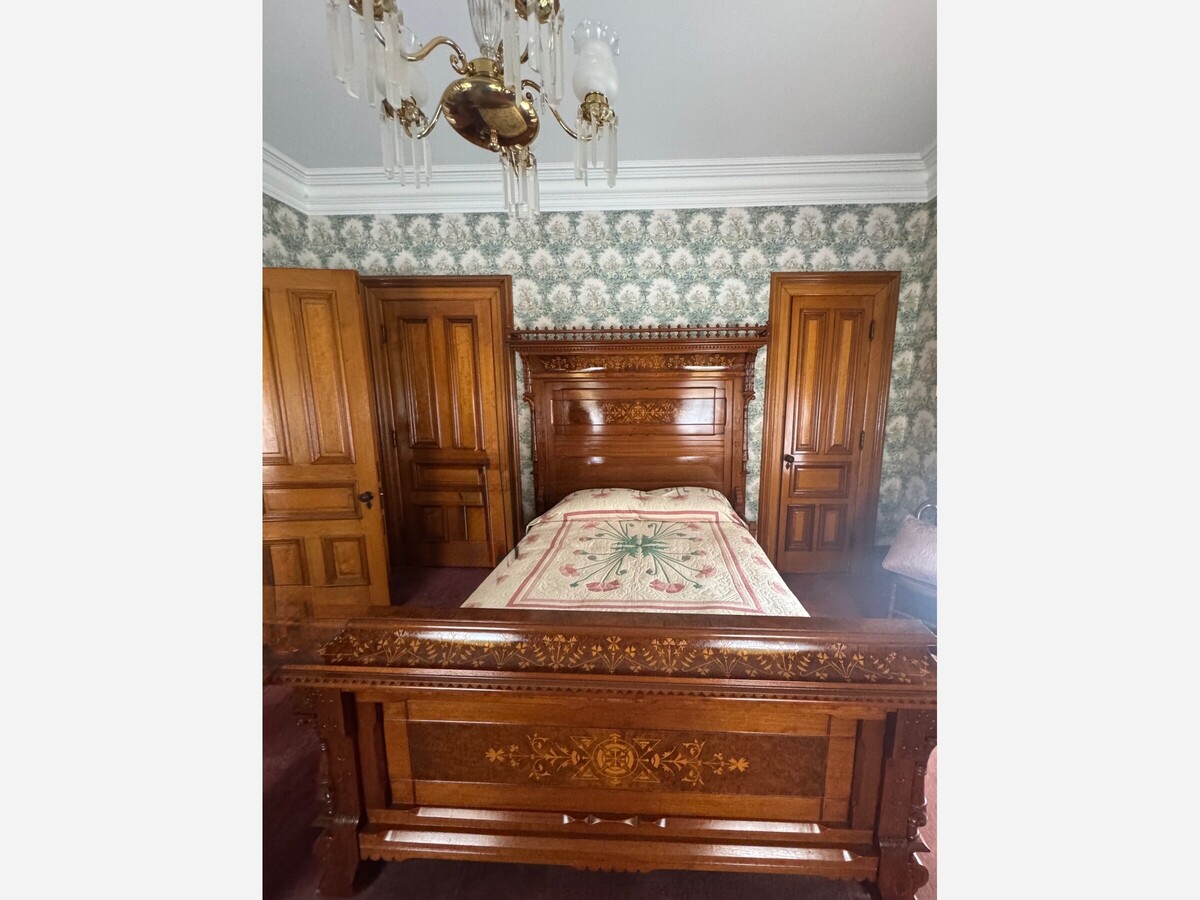
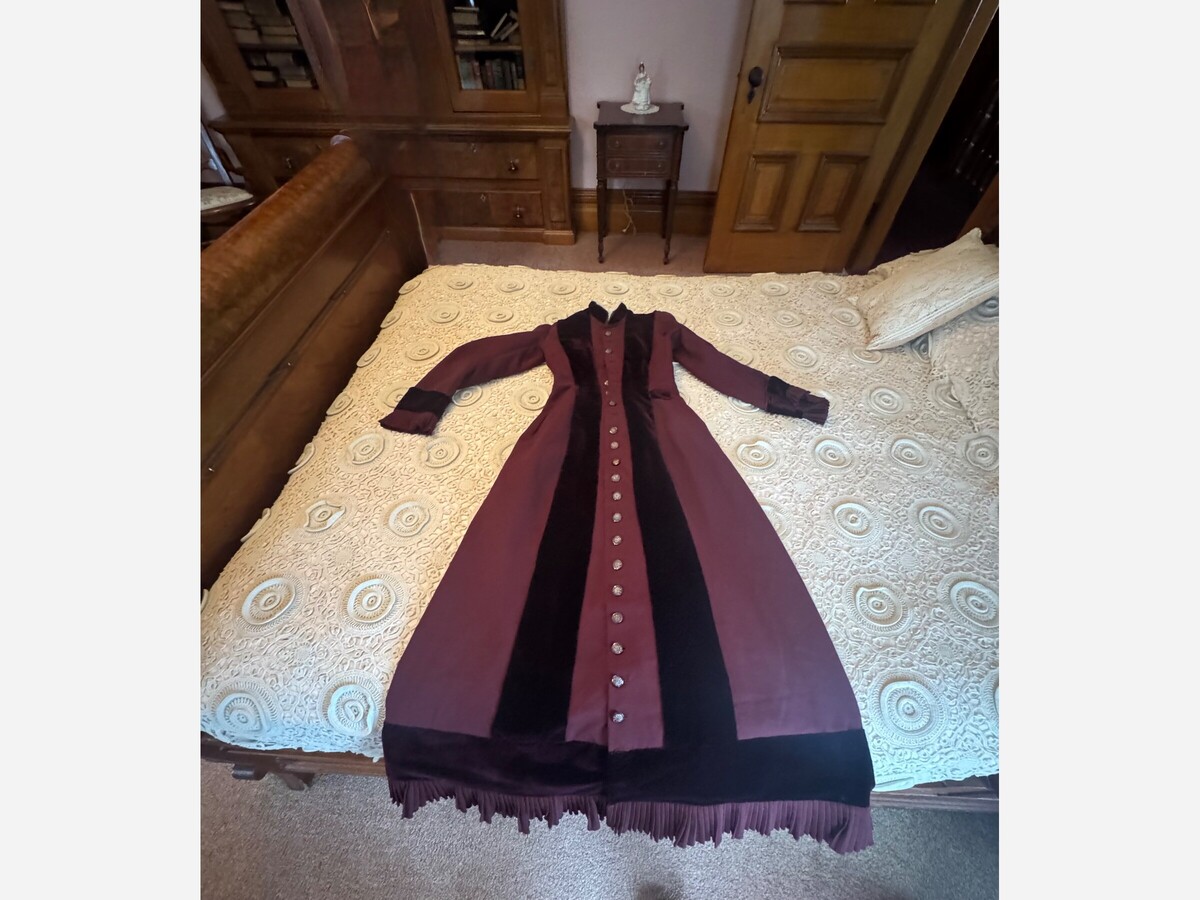
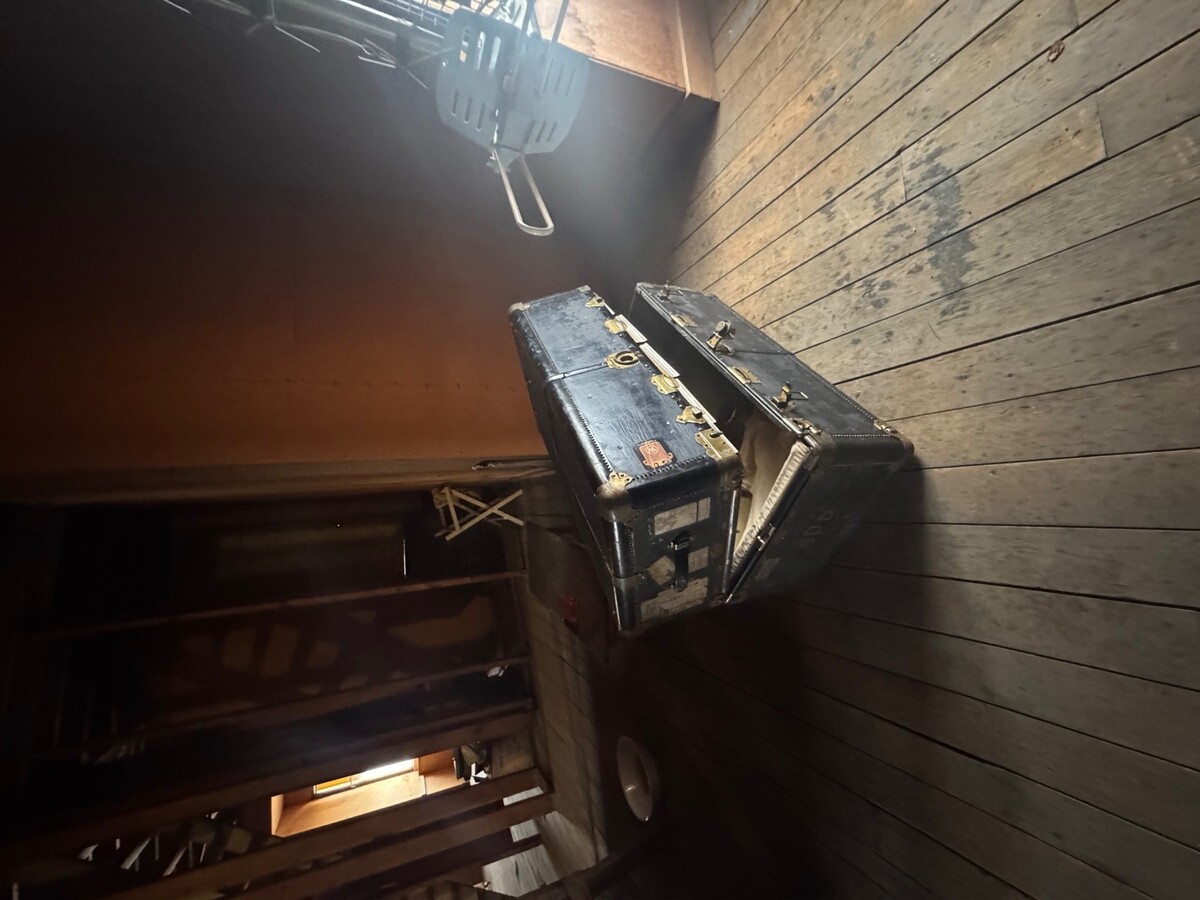
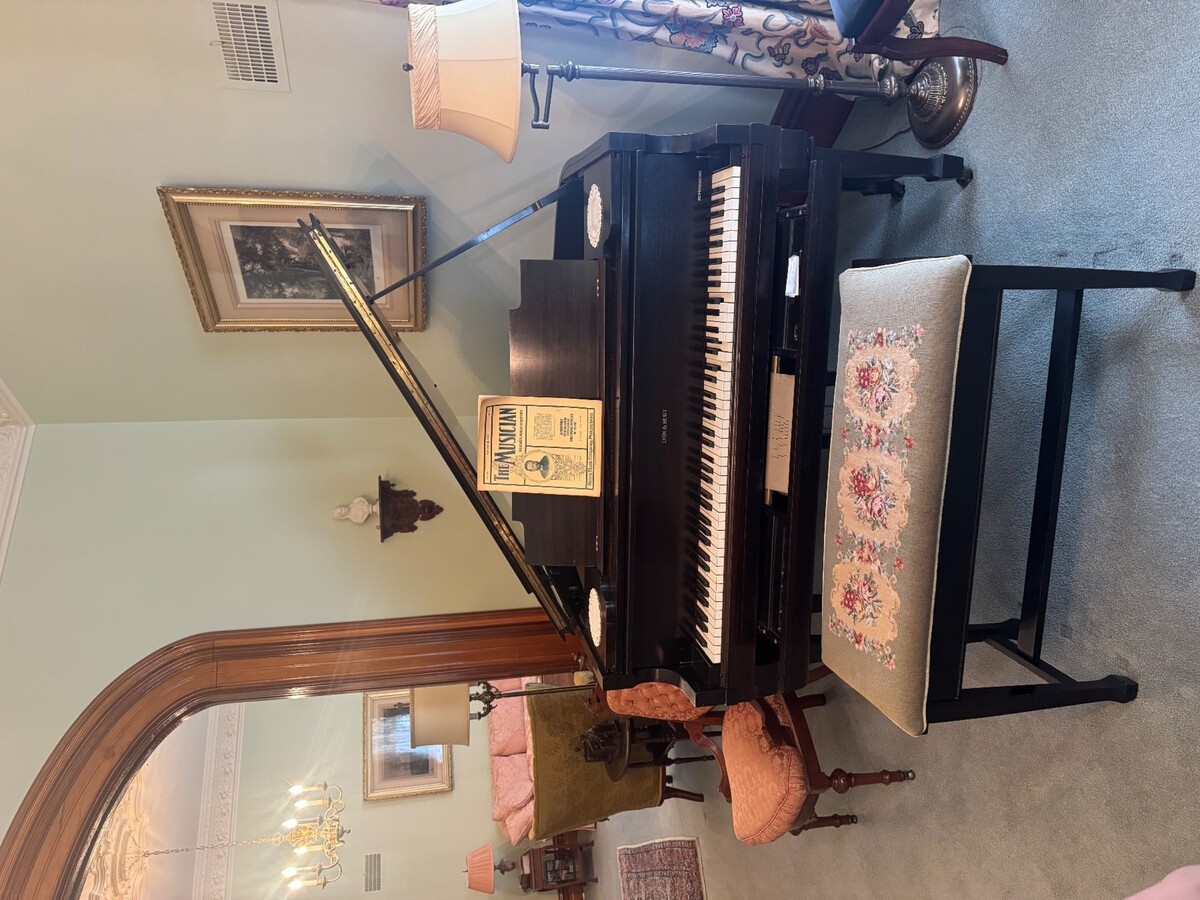
Inside, the house reflects the craftsmanship of the era in which it was built. High ceilings, carved woodwork, and period detailing speak to both wealth and taste. Many of the home’s furnishings and fixtures date back to the late 19th century, offering an unusually intact glimpse into domestic life of the time. Unlike many historic homes that were heavily altered or stripped of original features, the Davenport-Curtiss House remained largely preserved as families passed it down through the decades.
Following Davenport’s death in the early 20th century, the house came into the care of the Curtiss family, whose stewardship helped ensure its survival well into the modern era. Their careful maintenance allowed the property to avoid the fate of many historic homes that were subdivided, demolished, or radically remodeled as tastes and economic conditions changed.
The house’s historical and architectural significance was formally recognized in 1975, when it was listed on the National Register of Historic Places. It also contributes to the broader character of the East Michigan Avenue Historic District, an area that showcases Saline’s residential development during its most formative years.
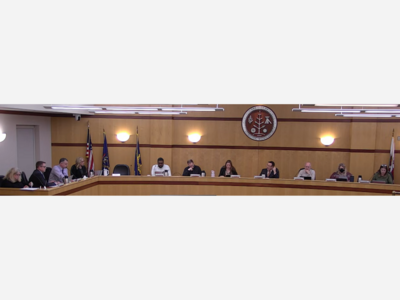
Today, the Davenport-Curtiss House occupies a unique position in Saline’s public conversation. On January 12, 2026, the Saline city council voted to approve the purchase of the mansion, bringing one of the community’s most prominent landmarks into public ownership and setting the stage for future preservation and civic use.
The acquisition marks one of the most significant historic preservation moves by the city in recent years. Officials said the purchase reflects a broader commitment to protecting Saline’s heritage while allowing residents a role in shaping how historic spaces are used.
"This is an investment in the development and the consideration of a land, and also the historic aspects of the property that, as we have heard, is something that has not changed in 150 years and is a key identity of our community," stated council member Dean Girbach, emphasizing that the primary goal of the purchase is protection of the structure and its historic character.
City officials stressed that no final decision has been made regarding how the mansion will be used. Options discussed publicly include a museum, cultural or community gathering space, educational facility, or a combination of public and revenue-generating uses designed to offset maintenance costs. A working groups is expected to form later this year and will include public input and collaboration with local historical organizations.
As the city considers preservation, access, and long-term use, the home stands at the intersection of history and possibility. For some residents, it represents an opportunity for education and community engagement. For others, it is a reminder of the responsibilities that come with preserving historic properties.
Regardless of its future use, the Davenport-Curtiss House remains a powerful symbol of Saline’s heritage. More than an old building, it is a tangible record of the people, ambitions, and craftsmanship that shaped the city, and a reminder that Saline’s past is not something locked away in archives, but something still standing, visible, and very much part of the present.


Congrats on the fresh launch of salinesummit.org—consolidating community news and events under one clean domain is a smart move after saying goodbye to town.news.


Sunny, with a high of 67 and low of 43 degrees. Sunny in the morning, clear in the afternoon and evening,