56° and Clear



Image
A bill proposed by Representative Pat Outman would allow the hunting of Sandhill Cranes as a game species in Michigan. House Bill 5067 was referred to the Committee on Natural Resources and Tourism on September 26th, 2025. It is not the first time a bill has been proposed to allow for the hunting of Sandhill Cranes. Similar bills and resolutions were proposed in 2017, 2019, and 2021. The only places where the Eastern population of Sandhill Cranes is legally allowed to be hunted are Kentucky and Tennessee. These are states where Sandhill Cranes do not breed.
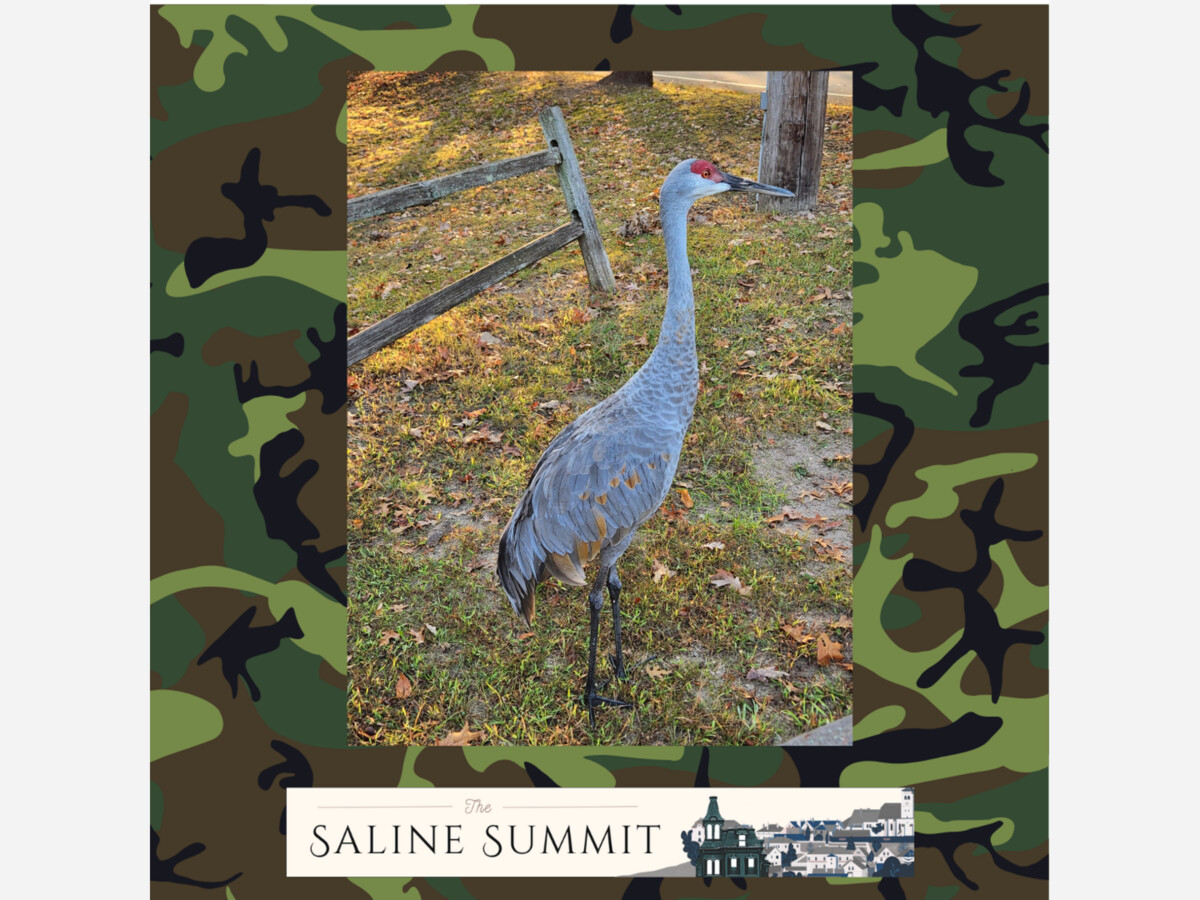
Adult Sandhill Cranes typically stand 3 feet tall with a 6-foot wingspan. They are easily identified by their bright red crown, which contrasts with their grey plumage. These birds live for 20 to 30 years. The earliest fossil of a Sandhill Crane was estimated to be 2.5 million years old. These birds have been immortalized in artworks throughout history. They are also celebrated through yearly festivals across the US. The Michigan Kiwanis Club hosts an annual CraneFest.
The primary breeding ground for Sandhill Cranes is the Great Lakes. They have secondary breeding areas from the Atlantic Coast to Nebraska and the Dakotas. To support breeding, they require a large amount of habitat and access to both wetlands and dry areas, such as meadows and open grasslands. They migrate south in the winter.
Sandhill Cranes mate for life and have a low rate of reproduction. Typically, females lay one egg when they are between the ages of 2 and 7 years old. Due to the history of population decline, there has also been a reduction in genetic variation. This can cause the species to face difficulties in adapting to climate change and disease.
Sandhill Cranes returned to Michigan in 1996. This has been hailed as a conservation success. Between 1996 and 2019, the population of Sandhill Cranes in North America increased by 4%. The population increase of these cranes is often attributed to wetland restoration and access to food on agricultural lands. These birds are no longer considered endangered.
Michigan Audubon opposes the hunting of Sandhill Cranes. They recently released this statement, highlighting the history of Sandhill Cranes in Michigan. Due to overhunting and habitat loss, Sandhill Cranes were nearly eradicated from Michigan over 100 years ago. Some of their habitats have been drained to make room for development and farming. Their habitat loss is further impacted by climate change.
The federal Migratory Bird Treaty Act was passed in 1918. It was a response to the declining bird population, which was caused by overhunting and habitat loss. This treaty includes the United States, Mexico, Canada, Russia, and Japan. Sandhill Cranes are protected by the Migratory Bird Treaty Act. Violating the Migratory Bird Treaty Act can result in fines up to $15,000 and/or imprisonment for up to six months”. In 2016, a man in Grand Haven was convicted of killing 3 Sandhill Cranes. He was sentenced to 90 days in jail and fined $1,500. He was also issued a warning for firing a shotgun within 450 feet of homes.
There have been conflicts between Sandhill Cranes and farmers due to crop damage. Sandhill cranes can damage crops, particularly corn fields. Sandhill Cranes like to eat sprouted corn seeds. Since they congregate in large flocks, they can cause a lot of crop damage in a short period of time. Farmers in Michigan can apply for a permit through the U.S. Fish and Wildlife Service to kill Sandhill Cranes that are being a nuisance to their crops, but they must first use non-lethal deterrents.
The Michigan Audubon Society has stated that, “A fall sandhill crane hunt will likely not help farmers experiencing spring crop damage.” This is because crop damage typically occurs in the spring, when the plant is still in its seedling stage. There is a chemical treatment that can protect corn from being consumed by Sandhill Cranes.
Sandhill Cranes are omnivores and forage for invertebrates and grains in marshes, grasslands, and prairies. They will also eat small mammals, reptiles, and amphibians. Sandhill Cranes are safe to eat if handled and cooked properly. They have been referred to as the “ribeye of the sky” due to their beefy flavor and texture. However, they are also susceptible to the effects of biomagnification. This means that any poisons in things lower on the food chain accumulate more densely in them. Similar to eating other types of wild game, there is a potential risk of exposure to parasites and other contaminants.
More data is needed to determine the current number of Sandhill Cranes and their genetic variation in Michigan. Due to their migratory natures, it is challenging to estimate their population. While the Michigan legislature considers adding Sandhill Cranes to the list of game birds that can be hunted, it needs to consider the National impact that hunting would have on the entire population of Sandhill Cranes in the Eastern population. We should also consider the positive and negative economic benefits of these majestic birds.


Congrats on the fresh launch of salinesummit.org—consolidating community news and events under one clean domain is a smart move after saying goodbye to town.news.


Sunny, with a high of 67 and low of 52 degrees. Sunny in the morning, clear in the afternoon and evening,